The future of Linux distros is an agent skill that asks you how you want your distro and builds a NixOS configuration tailored to your needs and preferences.
blog.vrypan.net
This was the most boring Apple Event I've watched in decades. Apple has lost its soul. There's no passion, no human element.
Apple Events have become a glorified version of awkward videos commissioned a for a product promo.
Carefully selected words, perfectly articulated. Presented by people I have no emotional connection with. Clinical, soulless.
jbaber built a web version of the sing-song encoder/decoder.
A good programer will produce orders of magnitude better code with AI.
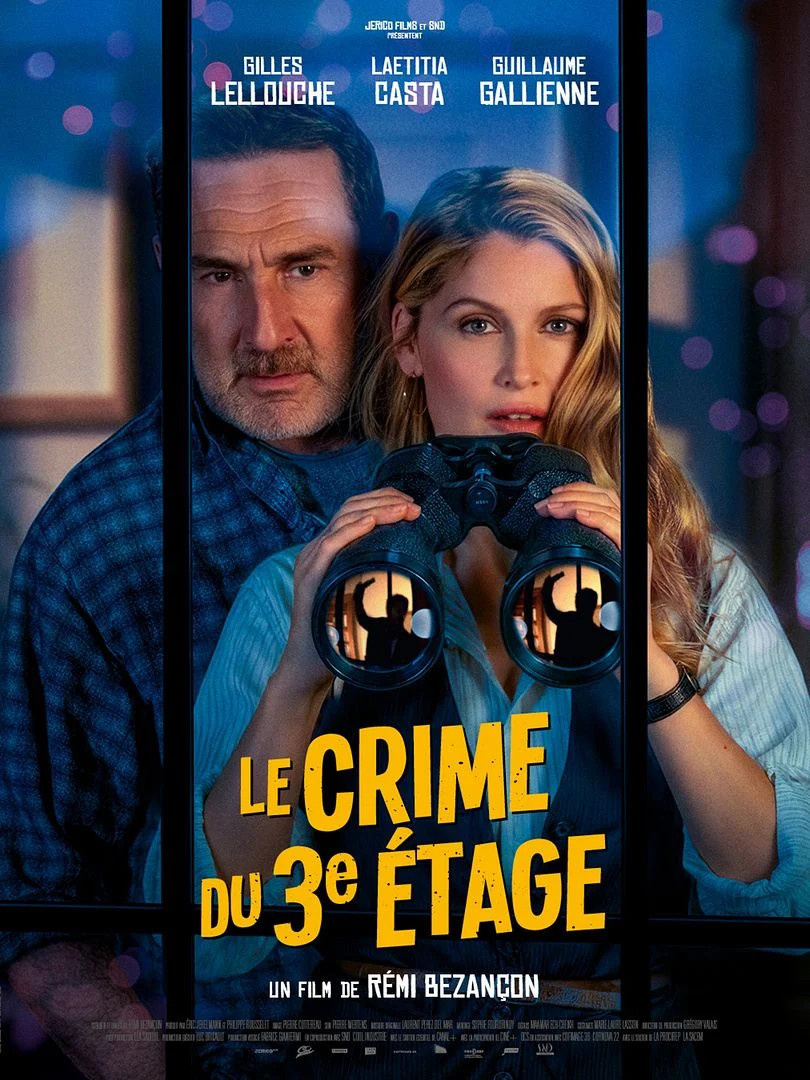
We watched "Murder Building" (Le Crime du 3e Étage) yesterday. With my daughter, at "Chloe", an open-air cinema. Nice moovie, beautiful night, we had a great time.
I don't like slop. I don't care how it was made, even if you created it with your own hands.
I love this.
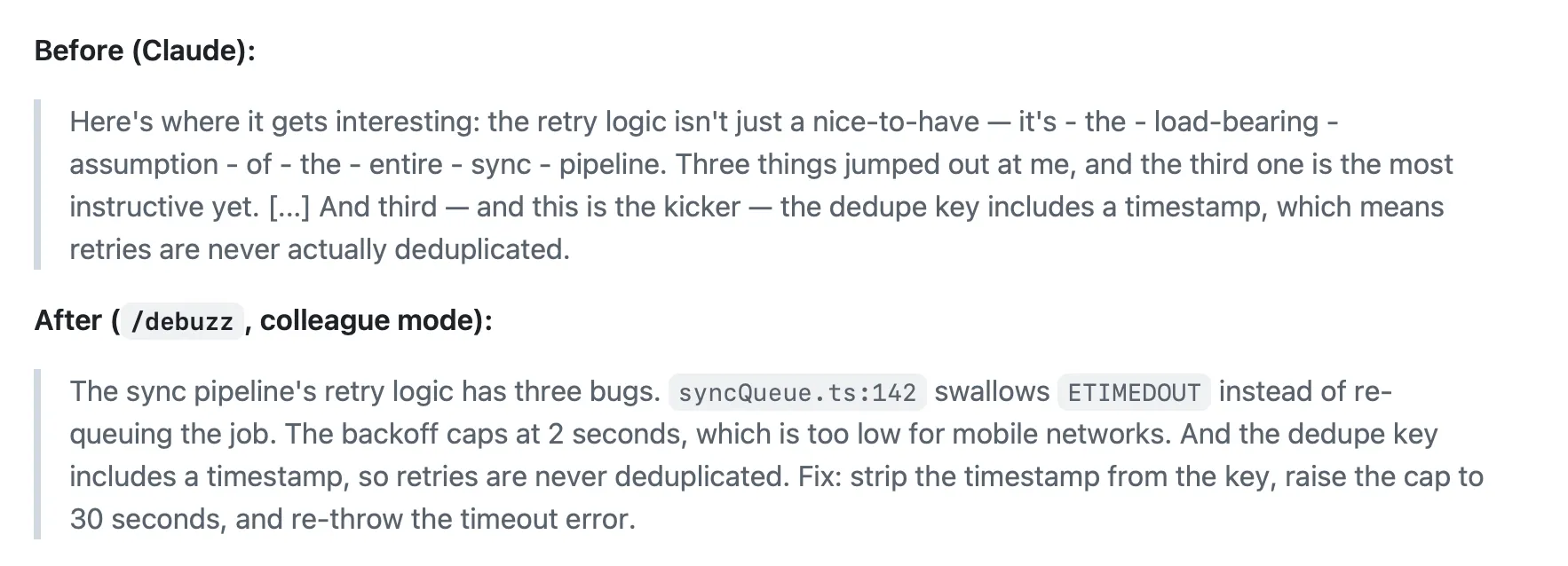
> Claudette is our solution to Claude being a great engineer with one incurable condition: it talks like it's delivering a TED talk about its own pull request. github.com/adnanakil/no...
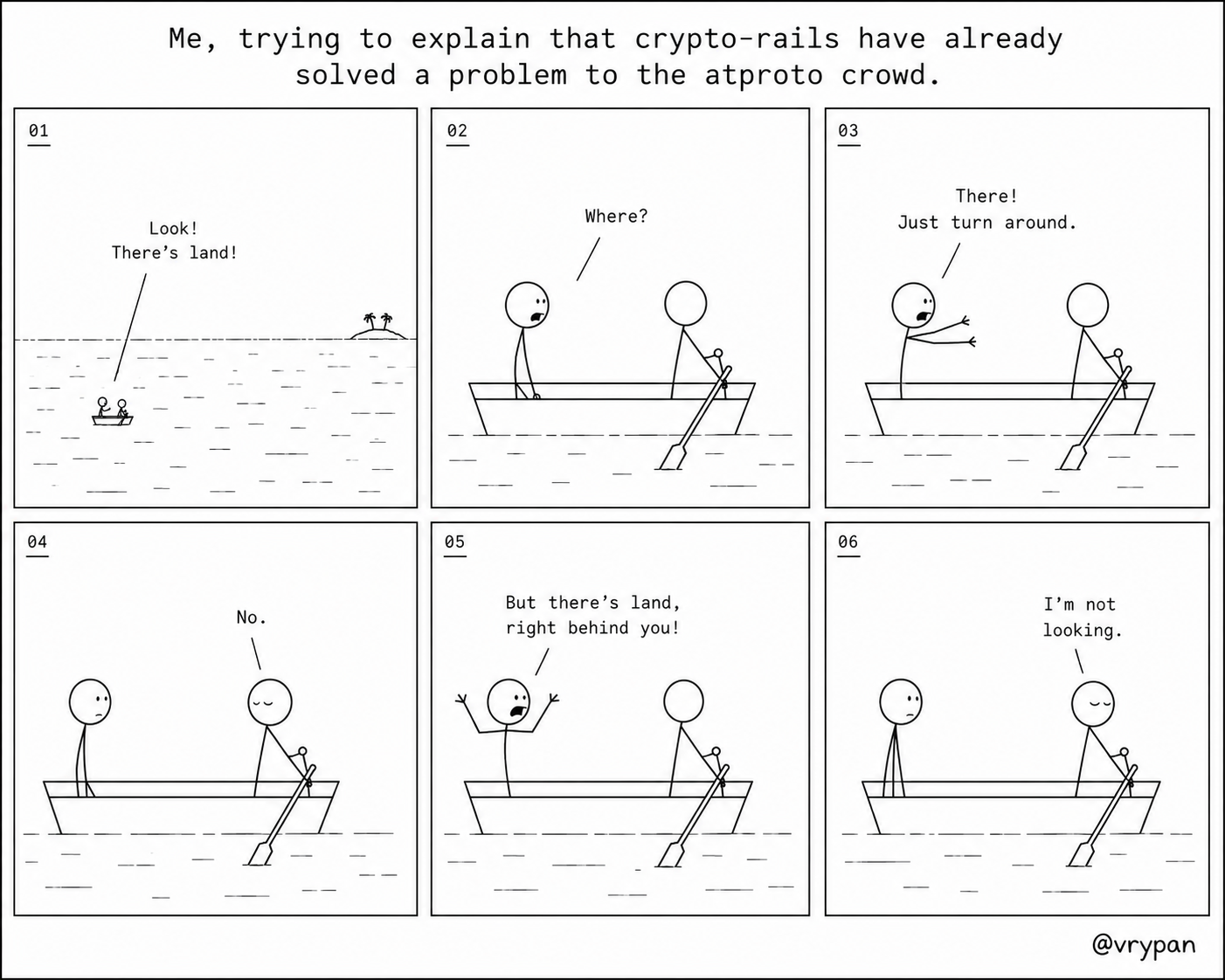
Me, trying to explain that crypto-rails have already solved a problem to the atproto crowd.
Good morning
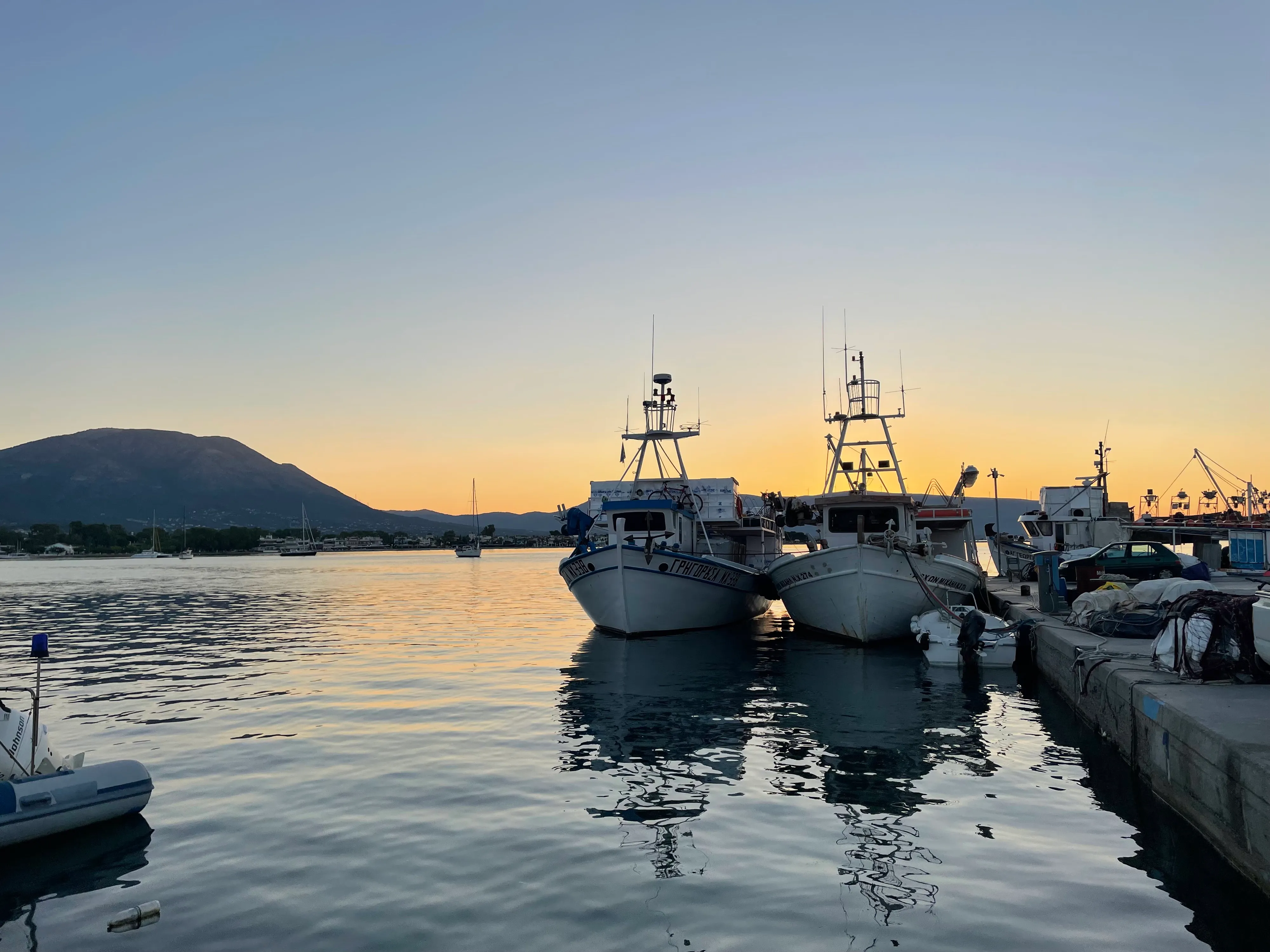
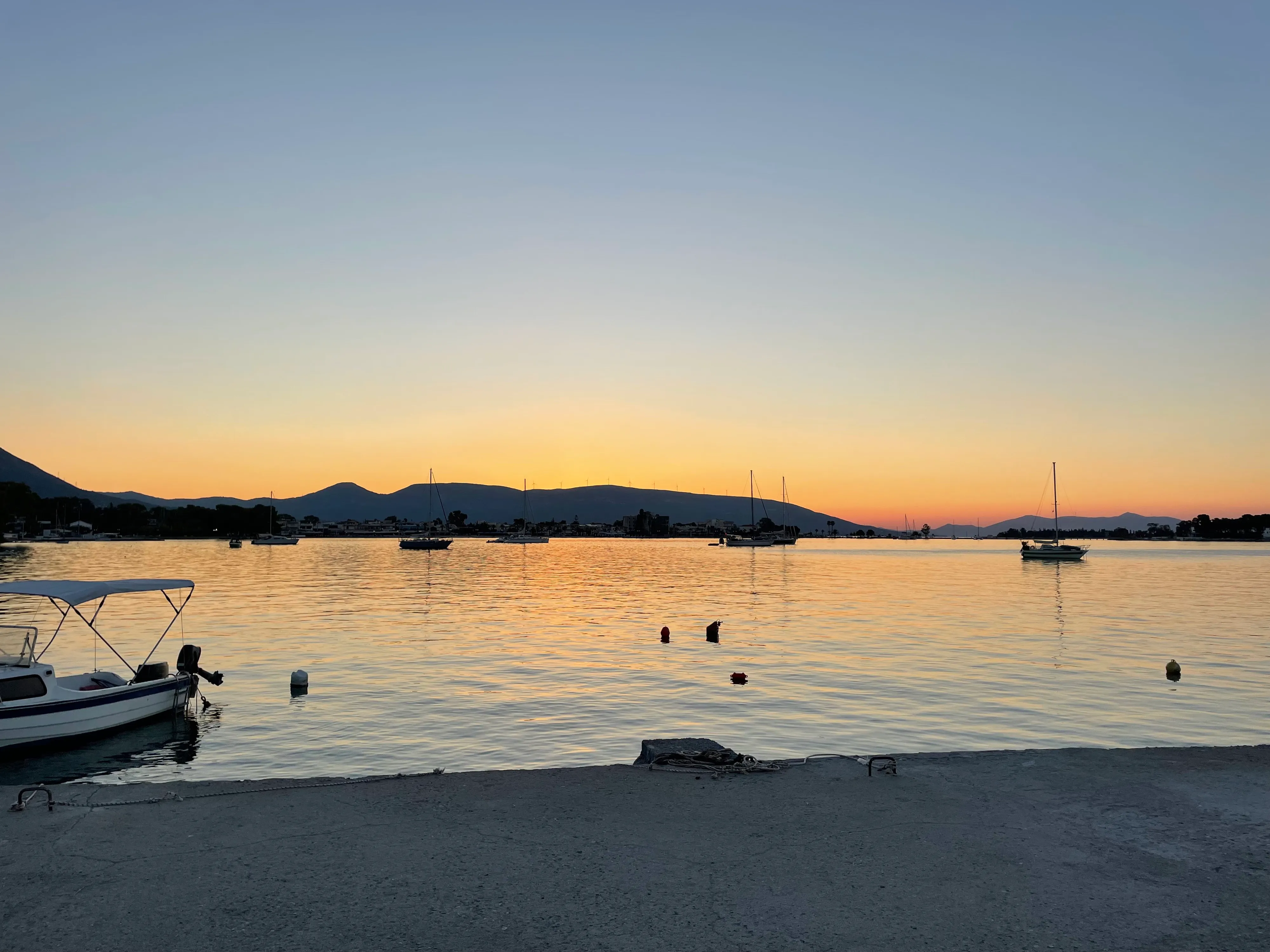
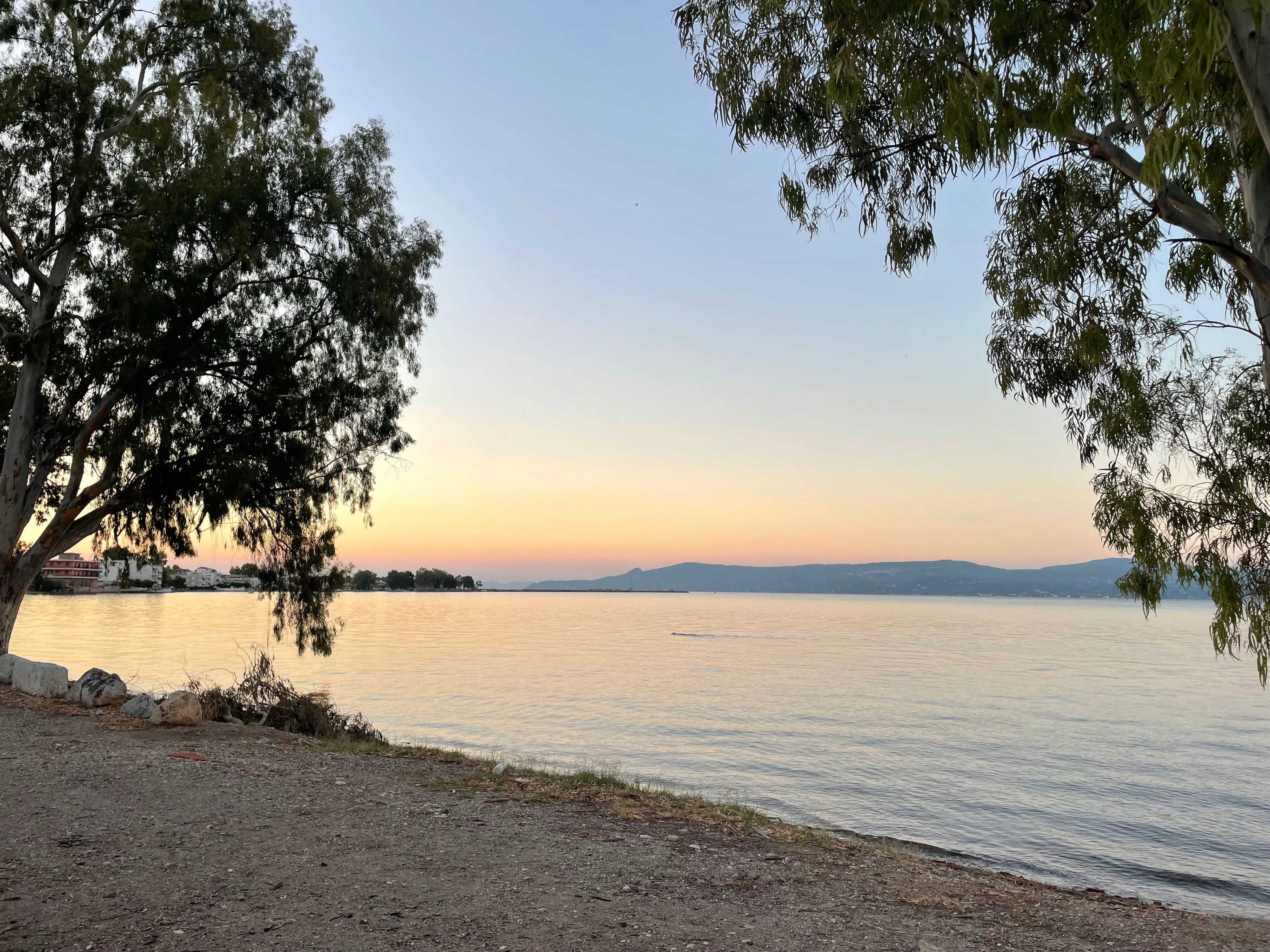
Today I had a long discussion with Eric, a professor of architecture from Austria while we were both enjoying the afternoon by the sea. I learned so much! Public spaces are so valuable. Developing the skill to ask and listen, too.
A summer morning.
The smell of sea and pine trees.
All windows open, to let the breeze flow through the small summer house.
Cicadas.
My daughter singing and playing the guitar in the next room.
I read my book.
Like postcards of a beloved place and time.
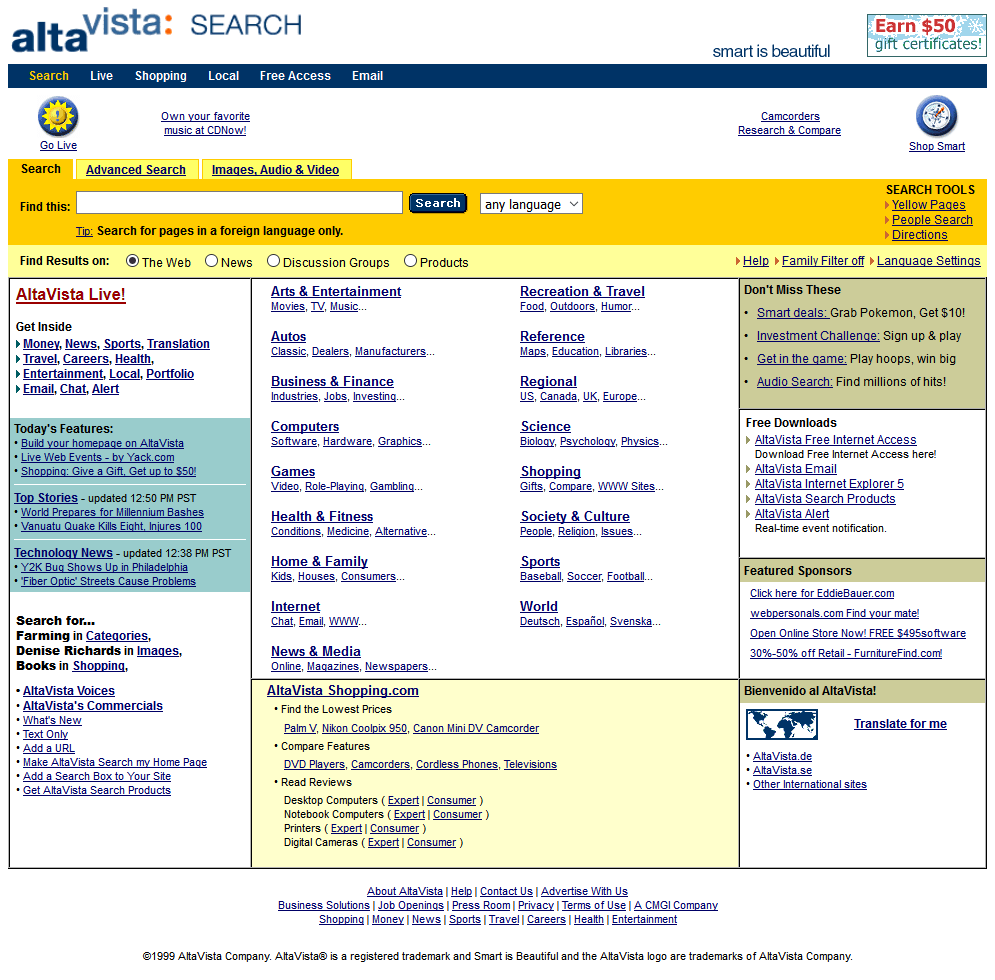
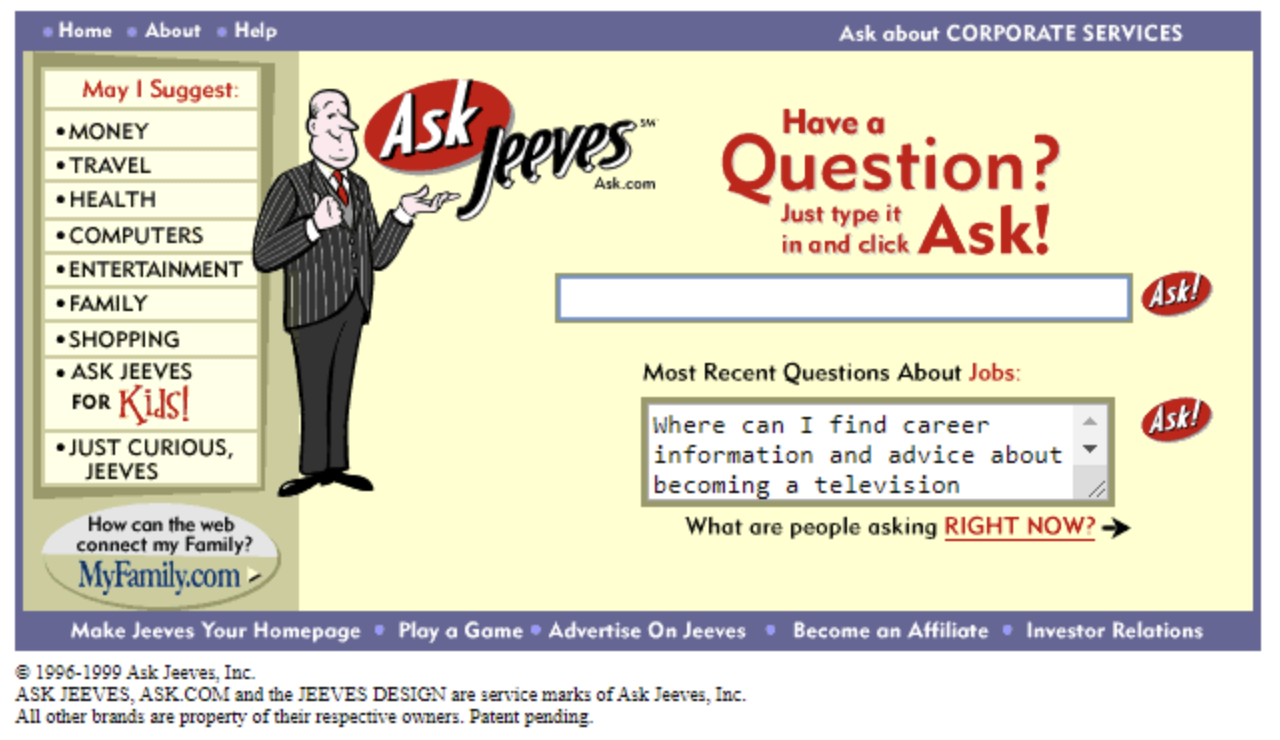
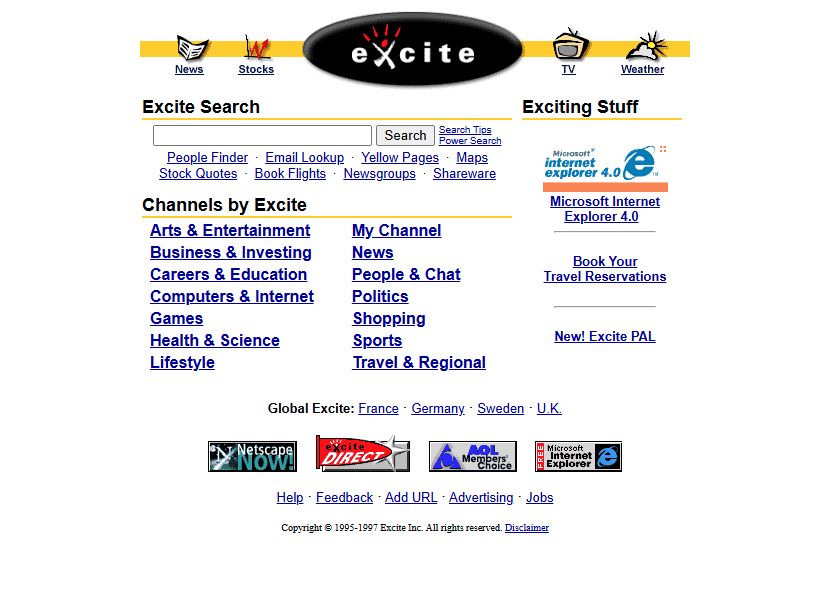
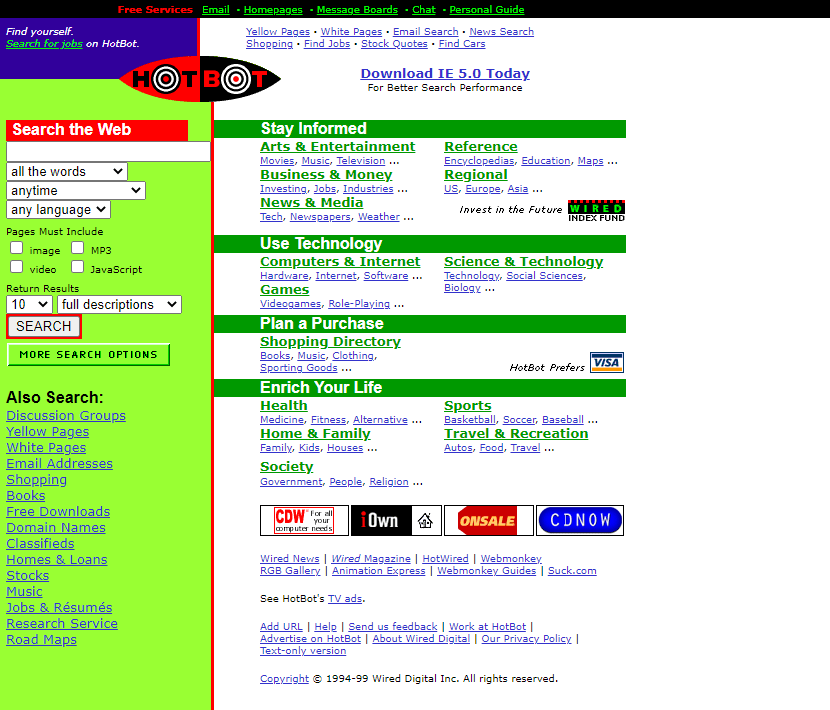
These screenshots from the late 90s bring back fond memories.
This was the design we were all trying to immitate. I've spent
hours nesting <table> tags, adjusting border and width
properties.
Source: Remembering the pre-Google web, when search was an experiment
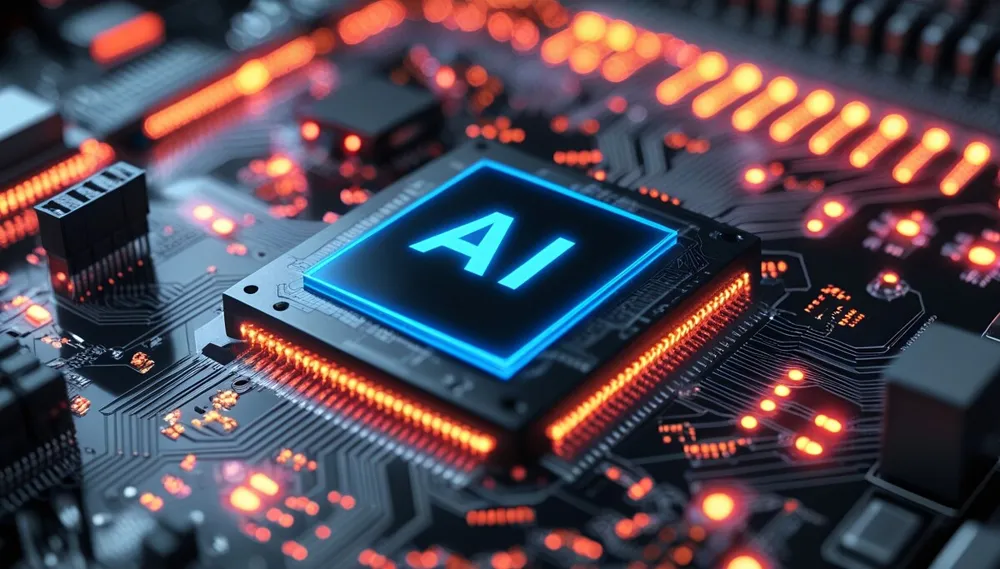
Big news. AMD acquires Taalas.
This is the future: LLM-on-silicon, on every device makes total sense. You have your CPU, GPU and AIU. Local, fast, optimized for one model. If you want more power, or a newer model, use the cloud. Just like we do with CPUs/GPUs.
AMD acquires AI chip startup Taalas to boost inference performance by etching models into silicon
Early tech demos show model-specific integrated circuits churning out up to 17,000 tokens a second
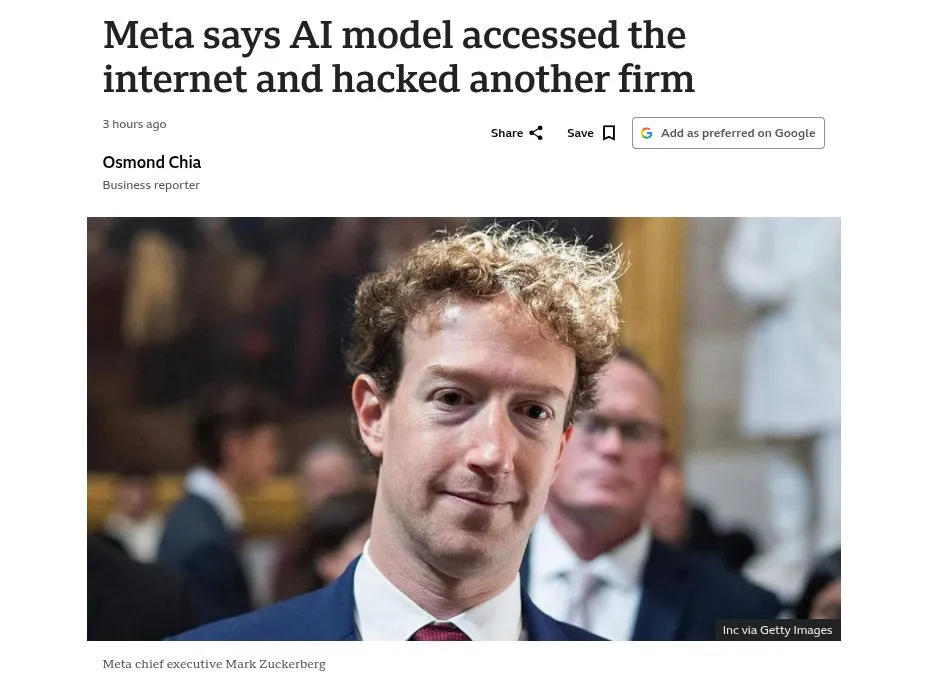
If the title was "Meta developers accessed the internet and hacked another firm", the reactions would have been different. There would be some lawsuits at least.
Why not now?
Codeberg is such a disappointment. I used to build a number of tools that integrated with Farcaster. Is Farcaster crypto? Do I have to ask permission/assessment and explain politely that "it's not crypto the way you may think"?
Omg, the arrogance.

I think I have completed my setup. Everything locally hosted + Cloudflare pages and tunnel.
Let's try it.
Step 1: This post.
ENS is an extraordinary piece of tech. The fact that projects focused on decentralization and censorship resistance ignore it shows:
1. How bad is crypto branding, even between devs who should be embracing a decentralized, censorship-resistant kv-store.
2. How short-sighted these devs are.
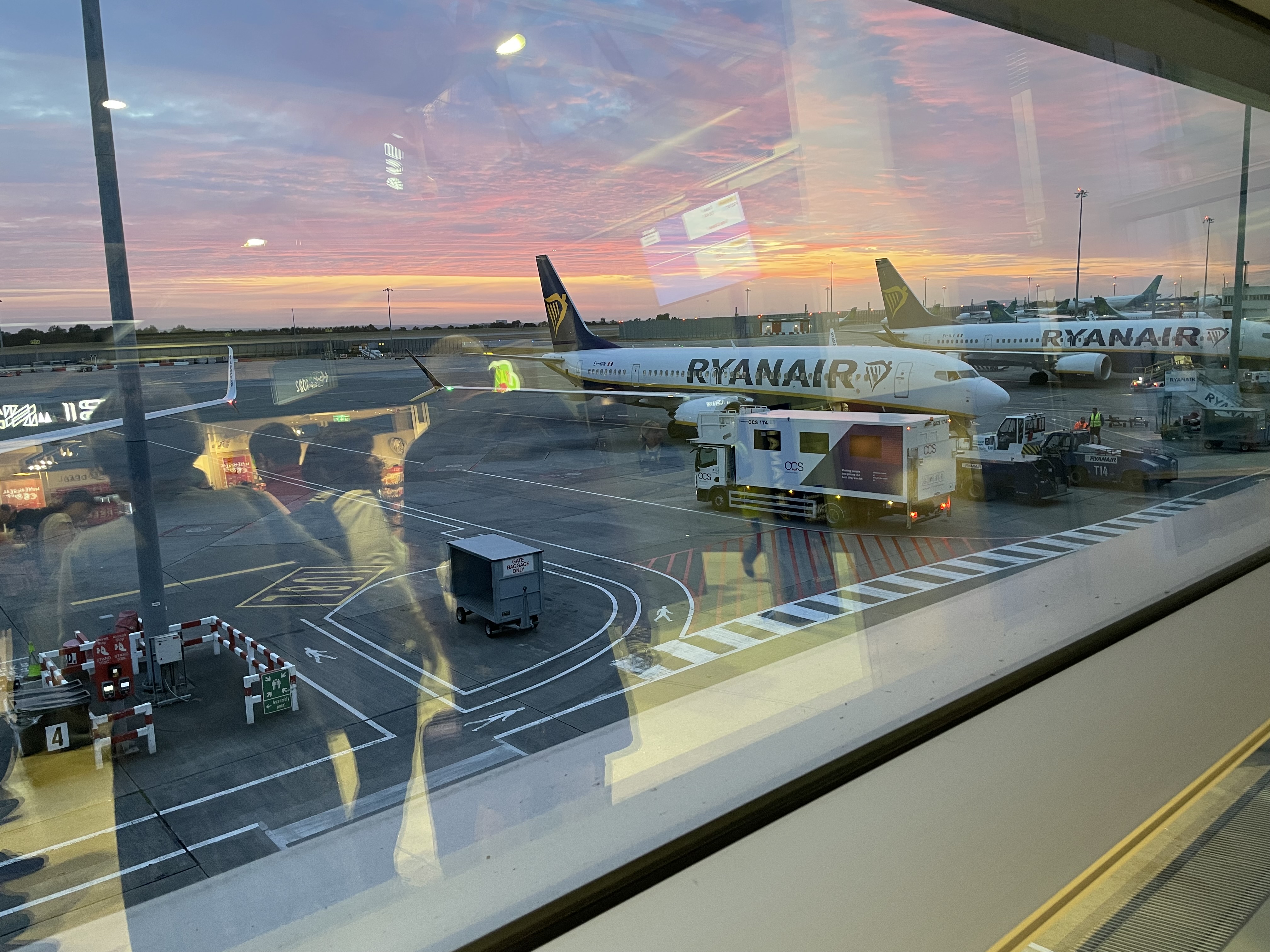
Airports are special places. So many stories start, end or take place in airports...
Returning from a short trip to Dublin. Last time I was here, it was nearly 30 years ago. Ireland has a special place in my heart.